

Most plumbing problems don't begin as emergencies.
A tap starts dripping. A sink takes slightly longer to drain. The toilet continues running after you've flushed it. You notice a small damp patch on the wall, or perhaps the water pressure in your shower isn't quite what it used to be.
Because everything is still working, it's easy to put the problem off.
That's often where trouble begins.
Plumbing systems are designed to work quietly in the background, so when something changes, it can be tempting to ignore it. Yet a small leak can gradually damage flooring, walls and ceilings, while a partially blocked drain can eventually become completely blocked.
For homeowners, landlords, businesses and property managers across Derby, Leeds, Worksop, Barnsley, Bradford, Leicester, Manchester, Chesterfield, Rotherham and Doncaster, recognising these early warning signs can help prevent unnecessary disruption and potentially more complicated repairs.
At COP Plumbing and Maintenance, we understand that plumbing problems are rarely convenient. Whether you're dealing with a leaking pipe, blocked drain, faulty toilet or another plumbing issue, identifying the problem early is often the first step towards getting it resolved properly.
In this guide, we'll look at some of the most common plumbing warning signs, why they happen, what you can do immediately and when it's time to call a professional.
Why You Shouldn't Ignore Small Plumbing Problems
A plumbing problem doesn't necessarily become serious overnight. In many cases, deterioration happens gradually.
A tiny leak can continue for weeks or months. Water can find its way underneath flooring, behind walls or into cupboards. By the time the damage becomes visible, the original plumbing problem may have been developing for considerably longer. The same applies to drainage.
A sink that drains slowly may indicate that something is restricting the pipework. If the restriction continues to build up, the drain could eventually stop flowing altogether. There is also another important consideration: recurring problems usually have a cause.
If the same toilet repeatedly blocks, the same drain repeatedly smells or the same pipe connection repeatedly leaks, simply fixing the immediate symptom may not be enough.
A professional plumber can investigate what is actually happening and determine whether a more permanent repair is required.
A Dripping Tap Could Be Telling You Something
A dripping tap may not look like a serious plumbing emergency. However, a tap that continues dripping after it has been turned off is not operating as it should. Depending on the type of tap, the problem could involve a worn washer, cartridge, seal or another internal component. Apart from the irritation of listening to a constant drip, there is also unnecessary water consumption.
Trying to solve the problem by repeatedly tightening the tap isn't always the answer. Excessive force can damage the fitting and potentially make the eventual repair more difficult. If a tap continues to drip despite being properly closed, it is worth having the fitting checked.
Sometimes a relatively simple component can be replaced. In other situations, replacing the tap may be the more practical long-term solution. If you're experiencing a persistent leak anywhere around your property, can provide a natural next step for readers.
Slow Drains Are an Early Warning Sign
A slow drain is one of the easiest plumbing problems to ignore. The water still disappears eventually, so there doesn't appear to be an immediate problem. But slow drainage often indicates that something is restricting the flow.
In bathrooms, hair, soap residue and other material can gradually accumulate inside waste pipes. Kitchen sinks can experience problems caused by grease, food particles and other waste. The longer the restriction remains, the greater the possibility that drainage will become increasingly slow or eventually stop altogether.
Pay attention if you notice:
- Water taking longer than normal to disappear
- Gurgling sounds from the drain
- Unpleasant smells
- Water backing up into the sink or shower
- A blockage that repeatedly returns
A one-off slow drain may be relatively straightforward to deal with, but recurring drainage problems deserve further investigation.
If you have a drain that keeps blocking despite repeated attempts to clear it, the underlying problem may need to be investigated rather than repeatedly treated with household products.

A Toilet That Keeps Running Should Be Checked
Have you ever flushed the toilet and noticed that you can still hear water running several minutes later?
That isn't something you should simply accept as normal. A constantly running toilet can indicate an issue with one of the internal components, such as the flush mechanism, fill valve, float or seal. The problem may be relatively minor, but leaving it unresolved means water can continue to be wasted. In some cases, the noise is also the first indication that something inside the cistern is beginning to fail.
If your toilet regularly continues running after flushing, or you hear water entering the cistern when nobody has used it, consider having it inspected.
Low Water Pressure Can Have More Than One Cause
Low water pressure can make everyday tasks surprisingly frustrating.
A shower that used to have strong flow becomes weak. The kitchen tap takes longer to fill a kettle. Running multiple taps at once becomes noticeably less effective. But low pressure isn't necessarily caused by one specific fault. The first useful question is whether the problem affects one outlet or the entire property. If only one tap has low flow, the fitting itself could be contributing to the problem. If several outlets are affected, the cause could be elsewhere within the plumbing system.
Rather than replacing fittings at random, a professional assessment can help identify where the restriction or pressure issue is occurring.
Don't Ignore a Leaking Pipe
A visible leaking pipe needs attention. A hidden leak needs it even more. Not every pipe leak produces an obvious puddle. Sometimes the first signs are indirect.
Look out for:
- Damp patches on walls or ceilings
- Water staining
- Peeling paint
- Swollen skirting boards
- Damaged flooring
- Musty smells
- Persistent moisture around cupboards
- Unexplained increases in water usage
- The sound of running water when everything is turned off
Water can travel surprisingly far from its original source. For example, a damp patch on a ceiling may not mean that the leak is directly above that particular spot. Water may have travelled along another surface before becoming visible. If you suspect a significant leak, act promptly. Where appropriate and safe, shutting off the property's water supply can help reduce further water damage while you arrange professional assistance. A professional assessment can help establish where the water is coming from rather than simply repairing the first visible symptom.
Hot Water Problems Shouldn't Be Ignored
Most people don't think about their hot-water system until it stops working. Then suddenly, a normal shower becomes impossible. Hot-water problems can have different causes, depending on the type of system installed at the property.
You might notice:
- Water isn't getting hot
- Hot water is inconsistent
- Water takes much longer to heat
- Hot water runs out unusually quickly
- The system behaves differently from normal
It's important to remember that not every hot-water issue is purely a plumbing issue. Where gas appliances or gas systems are involved, work should only be carried out by appropriately qualified professionals. If you are experiencing a hot-water problem, explain the symptoms clearly when contacting an engineer or plumber. Details such as whether the heating still works, whether the problem affects every hot-water outlet and whether an error message is displayed can help with diagnosis.
Strange Noises From Your Plumbing Shouldn't Become Background Noise
Your plumbing system should generally be relatively quiet. So if you suddenly begin hearing banging, knocking, rattling, whistling or persistent gurgling, don't automatically assume it's harmless. Different noises can have different causes. Pipes can move when water flows through them. Valves and fittings can create noise. Drainage systems can produce gurgling when there is restricted flow or air movement. The important thing is whether the noise is new, persistent or accompanied by another change. For example, unusual noise combined with low water pressure, slow drainage or leaking could indicate that something requires investigation. You don't necessarily need to panic every time a pipe makes a noise. But if the change is persistent, it is worth finding out why.
Bad Smells Coming From Drains Need Attention
Nobody wants their kitchen or bathroom to smell like a drain. Persistent unpleasant smells can have several causes.
Organic material can accumulate inside waste pipes. Traps can develop problems. Stagnant water can contribute to odours, while drainage restrictions can cause unpleasant smells to become more noticeable. Cleaning the visible area around a plughole may improve the smell temporarily. But if the odour repeatedly returns, the underlying cause may be further into the drainage system.
If the smell is accompanied by slow drainage or gurgling, professional investigation may be appropriate.
Water Around Your Washing Machine or Dishwasher Is a Warning
Modern homes have numerous appliances connected to the plumbing system. Washing machines and dishwashers depend on water supply hoses, waste connections and fittings that need to remain secure. A small leak around an appliance can easily go unnoticed because the appliance itself may hide the affected connection. If you discover water underneath or behind a washing machine, dishwasher or similar appliance, don't simply place a towel underneath it and carry on using it indefinitely.
The towel may catch the water, but it won't fix the leak. If appropriate, stop using the appliance and have the connection investigated.
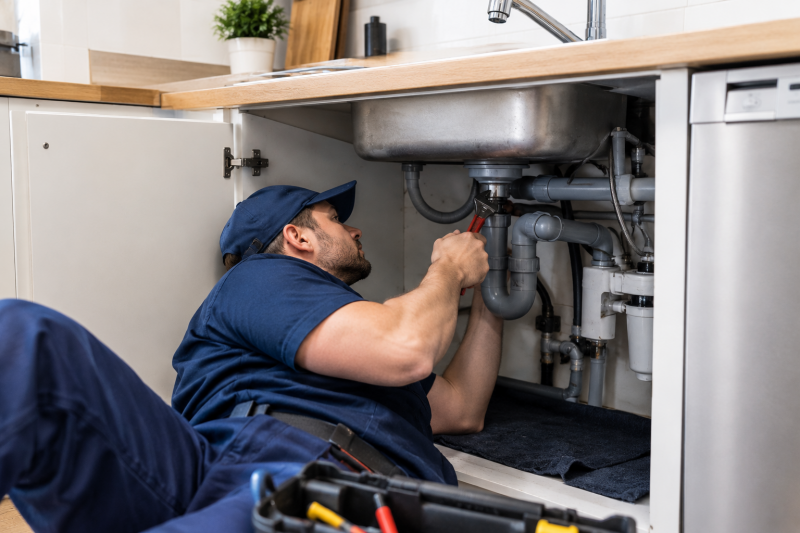
Burst Pipes Require Immediate Action
A burst pipe is a different situation altogether.
A significant pipe failure can release a large amount of water very quickly, potentially causing damage to floors, ceilings, walls, furniture and electrical equipment.
If you discover a burst pipe:
- Stay calm and prioritise safety.
- If it is safe to do so, turn off the property's internal stop tap.
- Keep people away from areas where water may have reached electrical equipment.
- Move valuable belongings away from the affected area where it is safe.
- Contact a professional plumber promptly.
Don't spend valuable time attempting a complicated repair while water continues to spread.
The immediate objective is to control the water and get the underlying problem professionally addressed.
Plumbing Maintenance: Prevention Is Better Than Repeated Repairs
Plumbing maintenance isn't just something you think about after something breaks. Regular checks can help identify developing problems before they become disruptive. For homeowners, some simple habits can make a difference. Check visible pipes occasionally. Look underneath sinks. Pay attention to changes in water pressure. Don't ignore a toilet that continually runs. Keep unnecessary waste out of sinks and toilets. Check appliance connections. Look for damp patches, staining or unusual smells. And make sure everyone in the household knows where the stop tap is located. Knowing how to shut off your water supply can be particularly useful if a significant leak occurs.
Plumbing Maintenance for Landlords
Landlords have an additional reason to take plumbing maintenance seriously. A plumbing problem that might be a minor inconvenience for a homeowner can quickly become a major issue for a tenant. A blocked toilet, lack of hot water or significant leak can affect the tenant's ability to use the property normally. Landlords should therefore encourage tenants to report plumbing problems as soon as they notice them. Small issues should not be dismissed simply because the property is still usable. Keeping records of previous plumbing repairs can also be useful.
If the same drain, toilet or pipe repeatedly develops problems, that pattern may indicate that the underlying cause needs to be investigated rather than continually applying short-term fixes.
For landlords managing properties in the region, provides a natural route to find out more about professional support.
Commercial Plumbing Problems Can Disrupt Business
For businesses, plumbing problems can affect much more than the plumbing itself. A blocked toilet can cause problems for employees and customers. A water leak can damage equipment, stock, flooring or other parts of the premises.
A loss of water supply can interfere with normal business operations. For this reason, commercial property owners and managers should think about plumbing maintenance proactively. Identifying vulnerable areas and addressing developing issues before they become emergencies can help reduce disruption.
COP Plumbing and Maintenance provides plumbing and maintenance support across a range of locations, including Derby, Leeds, Worksop, Barnsley, Bradford, Leicester, Manchester, Chesterfield, Rotherham and Doncaster.
What Plumbing Jobs Can You Safely Do Yourself?
There are some basic maintenance tasks that many homeowners can handle. For example, cleaning a plughole or replacing a simple showerhead may be straightforward. However, knowing when to stop is just as important. Plumbing systems can become complicated surprisingly quickly. Using excessive force on fittings, installing incompatible parts or attempting to repair concealed pipework without understanding the system can create additional problems.
Gas-related work is particularly important. Gas appliances and gas systems should only be worked on by appropriately qualified professionals.
If you are uncertain about a repair, getting professional advice is generally safer than turning a small problem into a much larger one.
What Should You Ask a Plumber Before Work Begins?
Choosing a plumber shouldn't simply come down to finding the cheapest quote. Before work begins, it is reasonable to understand what is being recommended and why.
You may want to ask:
- What is causing the problem?
- What work needs to be carried out?
- Are there different repair options?
- What parts will be required?
- Is the price a fixed quotation or an estimate?
- Could additional work become necessary?
- How long is the repair expected to take?
- Is any workmanship or parts guarantee provided?
A good professional should be able to explain the problem in straightforward language. You shouldn't need to understand every technical term to know what is happening in your own property. This is a good place to introduce the company without turning the article into an advertisement.
Click here to add text.
Plumbing Problems in Older Properties
Older properties can present unique plumbing challenges. Pipework may have been installed many years ago and modified several times. Previous owners may have carried out repairs or alterations, meaning different materials and fittings can exist within the same system. Access to concealed pipes can also be more complicated. This is particularly important when renovating an older property. If you're replacing a kitchen or bathroom, don't simply consider the visible fixtures. Think about the pipework behind them as well.
A professional assessment can help identify potential issues before new fixtures are installed.
Plumbing During Kitchen and Bathroom Renovations
Renovating a kitchen or bathroom is an excellent opportunity to improve plumbing infrastructure. However, plumbing needs to be considered before the work begins. Moving a sink, toilet, shower or appliance can require changes to water supplies and waste pipes.
The location of isolation valves and access points should also be considered. A common mistake is focusing entirely on the appearance of a finished bathroom or kitchen without thinking about future maintenance.
Good plumbing design should allow components to be accessed when they eventually need inspection or replacement.
How to Reduce the Risk of Plumbing Emergencies
You cannot eliminate every plumbing problem. Pipes can fail. Components wear out. Unexpected leaks happen. But sensible maintenance can reduce the likelihood of avoidable problems. A simple routine can include:
Check your taps.
Look for dripping or leaking fittings.
Check your toilets.
Listen for water continuing to run after flushing.
Check your drains.
Pay attention to slow flow, smells and unusual noises.
Check visible pipework.
Look for corrosion, moisture or staining.
Check appliance connections.
Inspect accessible hoses and fittings.
Know your stop tap.
Make sure you know how to turn off your water supply.
Don't ignore recurring problems.
If something repeatedly fails, investigate the underlying cause.
These checks don't take long, but they can help you spot changes before they become serious.
When Should You Call a Professional Plumber?
Not every plumbing problem requires an emergency call-out. But there are situations where professional help should be sought promptly.
Consider contacting a plumber if you have:
- A significant water leak
- A burst pipe
- Persistent drainage problems
- Repeated toilet blockages
- Water appearing where it shouldn't
- Low water pressure throughout the property
- Recurring plumbing failures
- Problems with concealed pipework
- Persistent hot-water problems
- Plumbing issues during a renovation
- A commercial plumbing problem affecting your business
The earlier a problem is assessed, the more information there is about what caused it. That can make it easier to determine the appropriate repair.
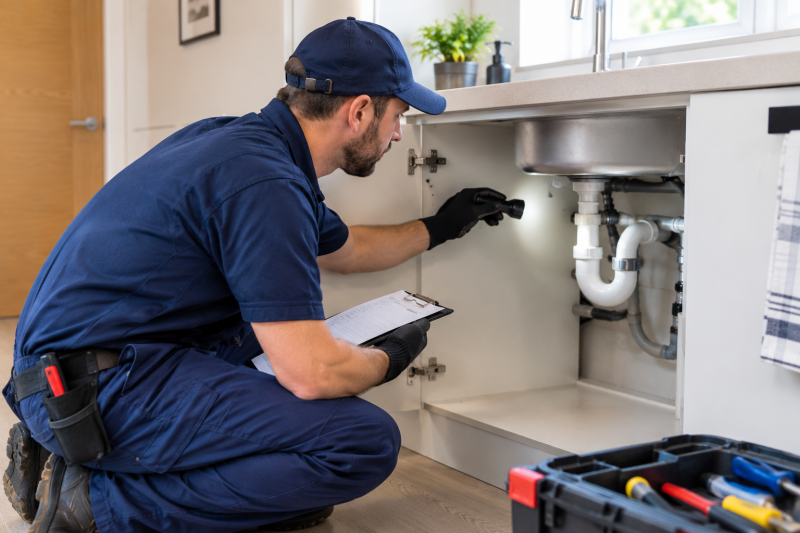
COP Plumbing and Maintenance Across Derby, Leeds, Worksop, Barnsley, Bradford, Leicester, Manchester, Chesterfield, Rotherham and Doncaster
Plumbing problems don't care whether you're in a traditional terrace, modern home, rental property, office, shop or commercial premises.
When something goes wrong, you need to know what the problem is and what should happen next.
COP Plumbing and Maintenance provides plumbing and maintenance support across:
- Derby
- Leeds
- Worksop
- Barnsley
- Bradford
- Leicester
- Manchester
- Chesterfield
- Rotherham
- Doncaster
- Burghwallis and the surrounding DN6 area
Whether you're dealing with a leaking pipe, blocked drain, faulty toilet, water pressure issue or another plumbing concern, getting the problem assessed properly can help prevent a small issue from becoming a much bigger one.
If you are looking for professional plumbing support in your area, Contact Us to discuss your requirements.
Final Thoughts
The biggest plumbing problems often give you warning signs first.
A dripping tap.
A slow drain.
A toilet that won't stop running.
A strange noise.
A damp patch.
An unpleasant smell.
A sudden change in water pressure.
These things may seem minor individually, but they can indicate that something within your plumbing system needs attention.
The best approach is simple: don't ignore changes in your plumbing.
Carry out sensible maintenance, know where your stop tap is and get professional help when a problem goes beyond a straightforward DIY task.
For homeowners, landlords and businesses across Derby, Leeds, Worksop, Barnsley, Bradford, Leicester, Manchester, Chesterfield, Rotherham and Doncaster, COP Plumbing and Maintenance can help with plumbing and maintenance requirements.
If something doesn't look, sound or work the way it normally should, don't wait for a small plumbing problem to become a major one.
Get it checked, understand the cause and deal with it properly.
Create Your Own Website With Webador